
Xenoderm Dermal Matrix
Xenoderm is a temporary biological skin dressing made of a porcine collagen matrix with its cellular components removed. By forming a semi-permeable barrier on the wound surface, it reduces fluid and heat loss, protects against mechanical trauma and creates a suitable micro-environment for the development of granulation tissue. It is a reliable dermal support solution that prepares the wound bed for epithelialization or grafting, particularly in burns and tissue loss.

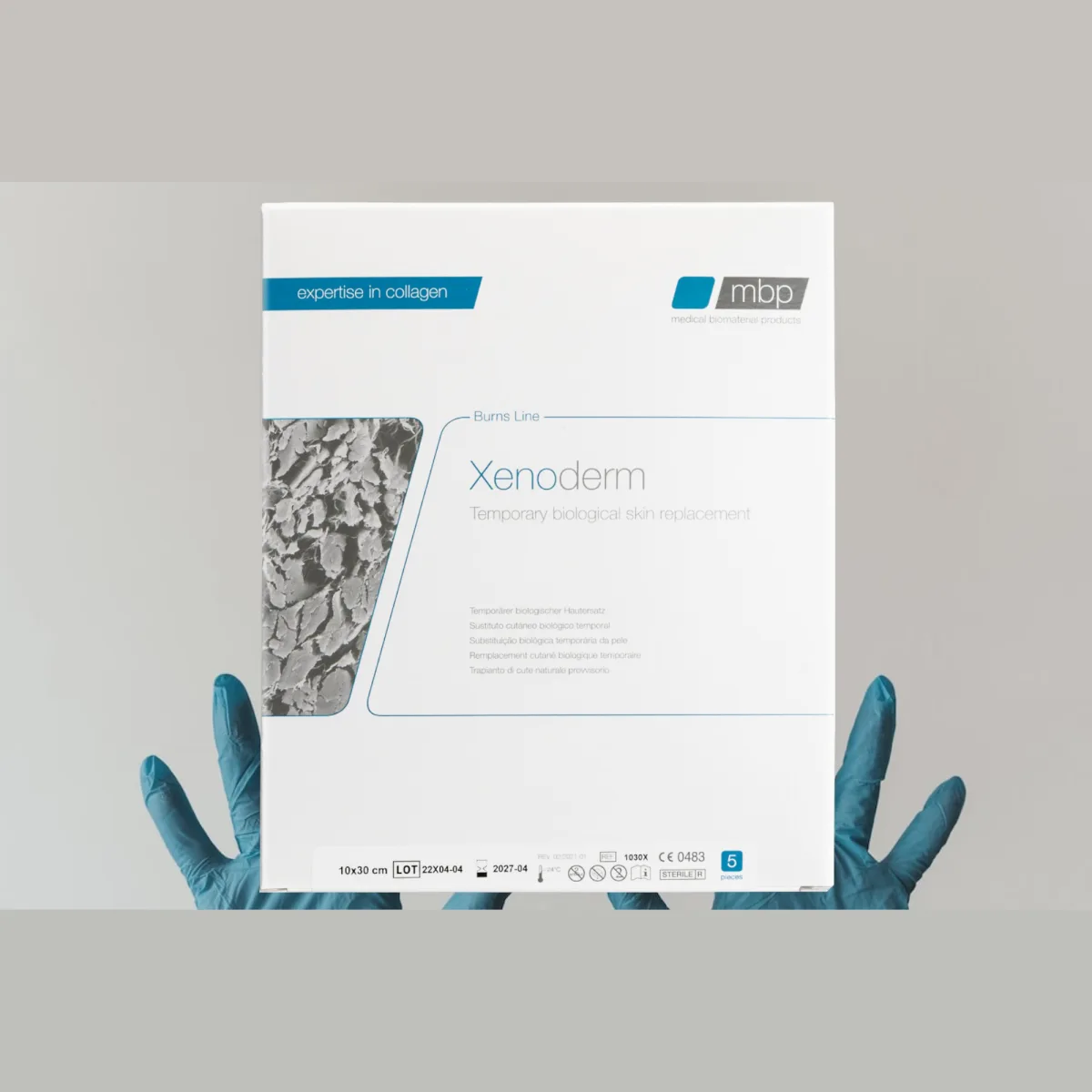
- Brand
- MBP
- Stage
- 05 · Tissue formation
- Size options
- 5
- Origin
- Germany
What is it?
Xenoderm is an acellular dermal scaffold.
What is it made of?
The porcine-derived dermal matrix is a biological matrix developed for use in tissue repair and reconstruction. Thanks to its natural extracellular matrix structure, it aims to provide a suitable scaffold for cellular infiltration, vascularization and new tissue formation.
It assists the tissue regeneration process in clinical situations where damaged or insufficient soft tissue needs support. Its three-dimensional matrix structure is designed to allow surrounding tissues to grow into the matrix and integrate with native tissue over time.
Why use it?
The assessments and comparisons in this section are the manufacturer’s own statements. Use of the product in a patient requires assessment by a physician.
In wounds with tissue loss, dermal matrices move healing onto a more physiological footing by providing a dermis-like scaffold rather than simply covering the surface. This structure supports cell migration and neovascularization and contributes to more organized, higher-quality granulation tissue. At the same time, by protecting the wound bed from desiccation, contamination and mechanical trauma, it reduces pain and helps epithelialization progress in a more controlled way. Clinically, it is preferred when aiming for better tissue quality and functional outcomes, particularly in burns and deep tissue loss.
Xenoderm, a porcine-derived biological dermal matrix, brings together a natural extracellular matrix structure and a three-dimensional matrix architecture that supports tissue integration. This structure supports tissue infiltration and vascularization while acting as a biological scaffold for new tissue formation. It thus provides a biological environment that supports tissue integration and the remodeling process in soft tissue reconstruction.
Indications
Xenoderm is indicated primarily as a temporary biological cover for second-degree (partial-thickness) and selected third-degree burns. It is also suitable for use in traumatic tissue loss, surfaces left open after surgery, chronic wounds (e.g. wounds with poor granulation whose surface needs protection) and situations where the wound bed must be prepared before skin grafting. It is preferred in clinical scenarios where the aim is to support epithelialization, reduce fluid and heat loss and protect the wound surface from mechanical trauma and contamination.
Product images
-
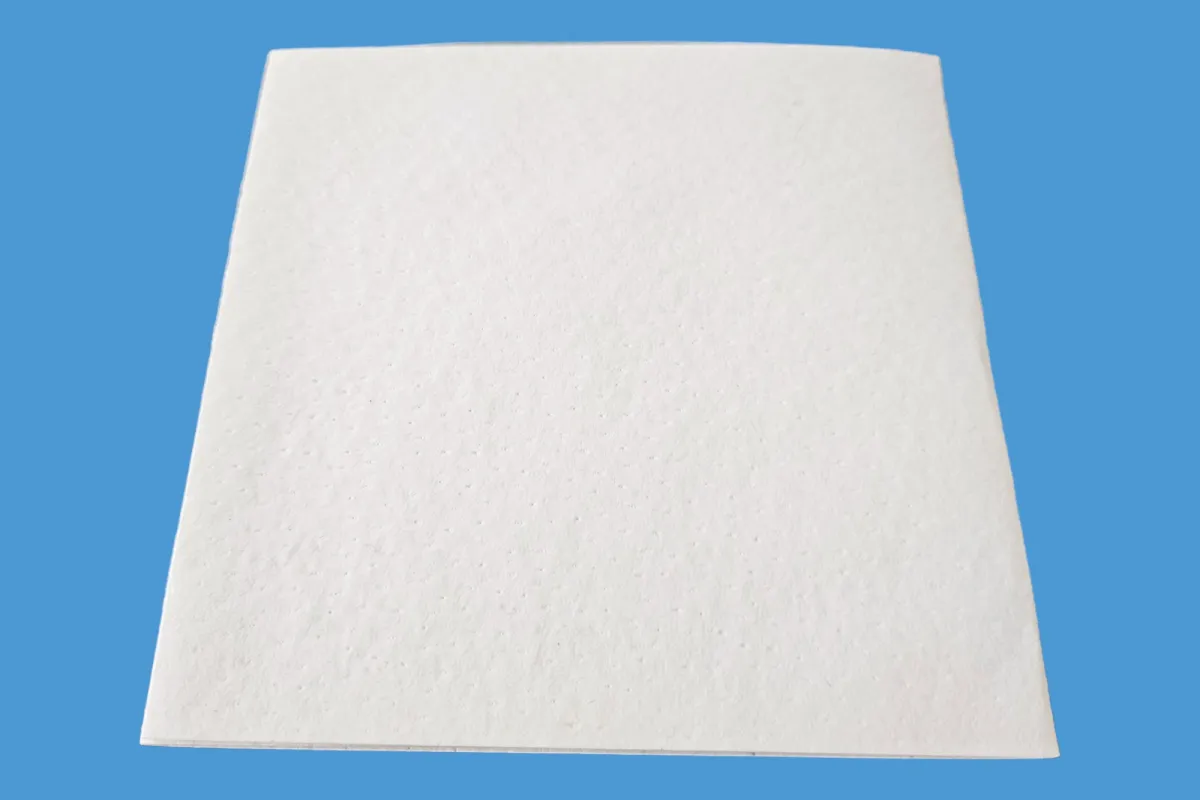 Xenoderm collagen matrix in dry state
 -
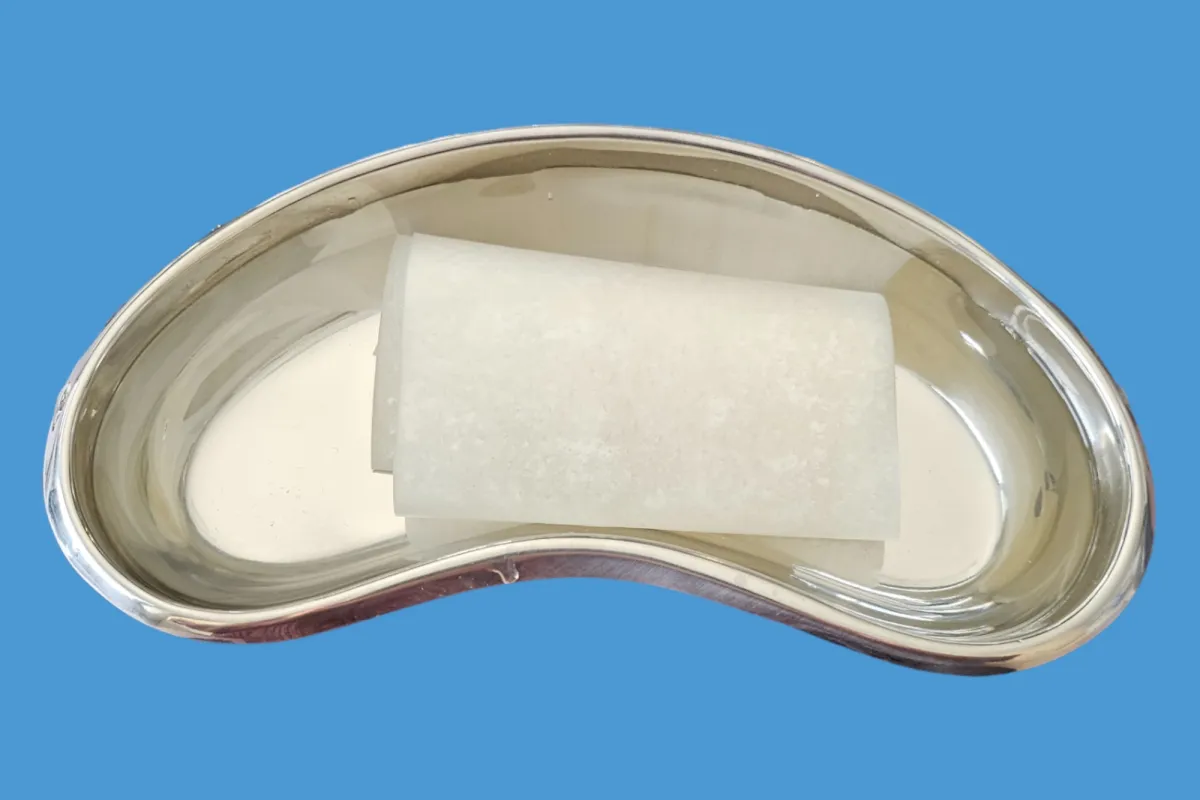 Xenoderm dressing being rehydrated in a kidney dish
 -
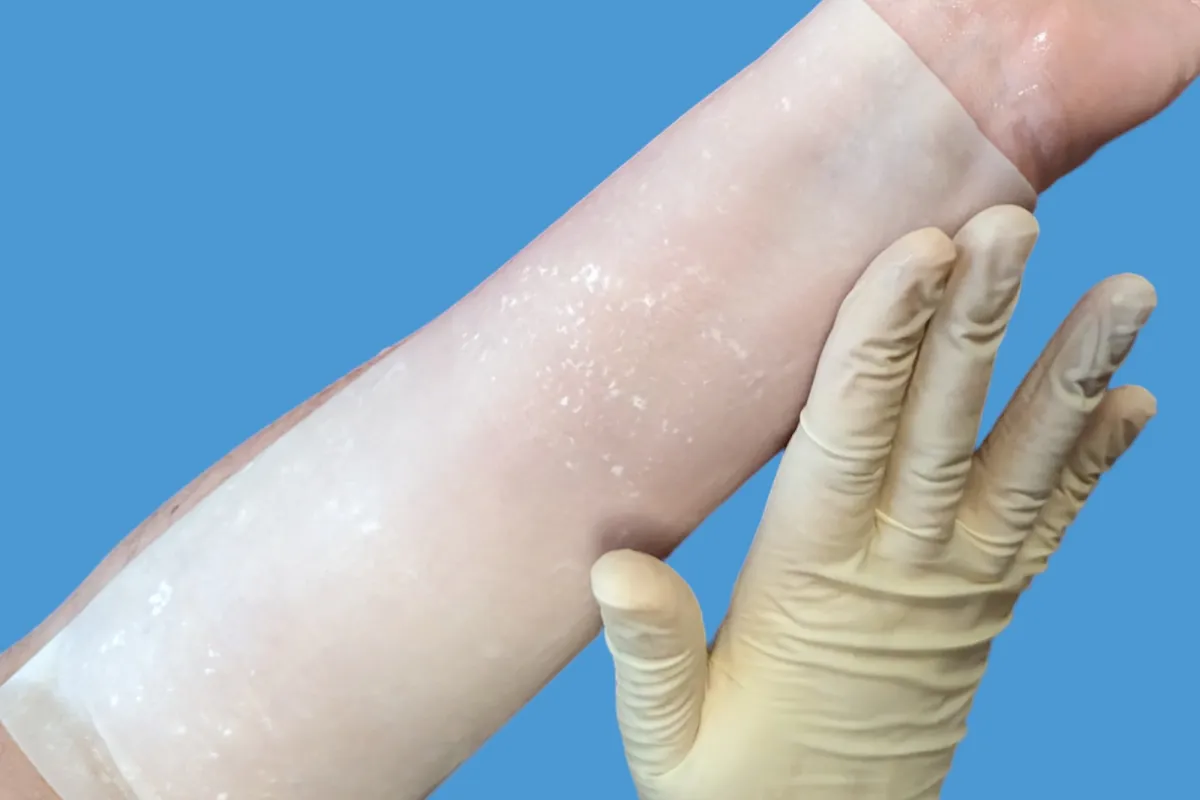 Demonstration of Xenoderm adhering to a forearm
How to use
- 01
Assess the wound
Clinically assess burn depth, the extent of tissue loss, signs of infection, the amount of exudate and the condition of the periwound skin.
- 02
Prepare the wound
Before application, debride the wound bed appropriately and cleanse it gently; postpone application in the presence of heavy contamination or eschar.
- 03
Rehydrate Xenoderm
Remove Xenoderm aseptically from its sterile pack and soak it in sterile isotonic saline at room temperature for at least 2 minutes; the material should become transparent.
- 04
Apply
Place the rehydrated Xenoderm smoothly on the wound bed so that no air bubbles remain and, if necessary, cut it to fit the wound margins.
- 05
Secure
Secure the product with gauze or a suitable secondary bandage; it should not be used on weight-bearing areas because of the risk of maceration.
- 06
Follow-up and changes
The change interval depends on how the wound heals; infected or heavily exuding wounds may initially need more frequent changes. Before a dressing change, always moisten Xenoderm with sterile saline so that it can be removed painlessly.
- 07
Time limit
In aseptic, granulating wounds, Xenoderm must be removed within 10 days at the latest to prevent excessive adherence.
Catalog
The manufacturer’s catalog table, all 5 rows. For stock and supply status, contact us.
| Catalog no. | Product | Size |
|---|---|---|
| 0505X | Xenoderm | 50 mm x 50 mm |
| 1010X | Xenoderm | 100 mm x 100 mm |
| 1020X | Xenoderm | 100 mm x 200 mm |
| 1030X | Xenoderm | 100 mm x 300 mm |
| 1040X | Xenoderm | 100 mm x 400 mm |
Other products
in the same stage
05 · Tissue formation — Granulation is supported; a temporary biological dressing is applied where needed.
Samples or documents
for Xenoderm Dermal Matrix
Send us your requests for samples, application training, instructions for use or the full size list.